Introducing the FlightPortrait network
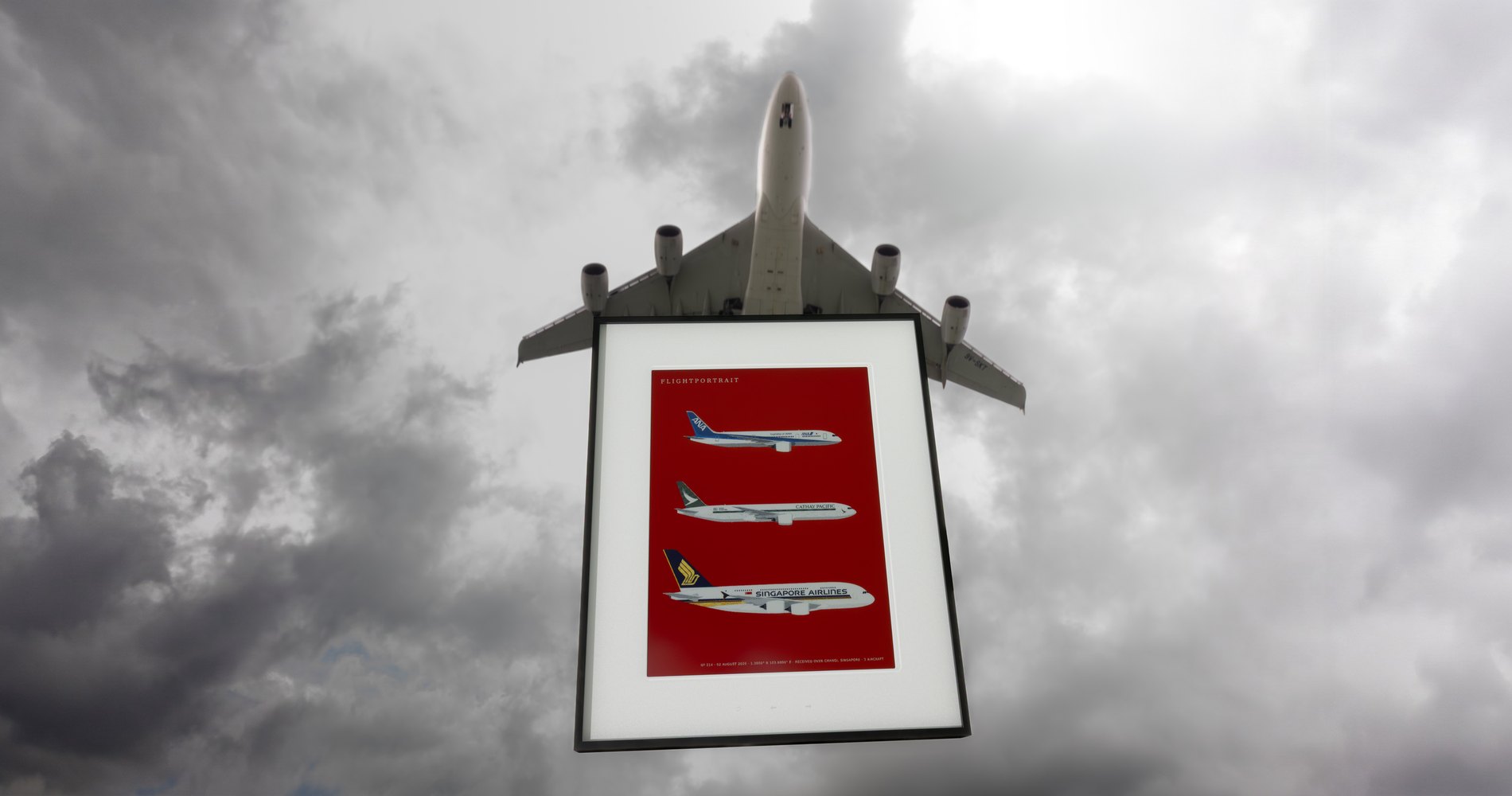
Your frame draws the planes flying over your home, so it has to know where they are. For a long time, that meant relying on other people's data.
We wanted our own. So we built a network.
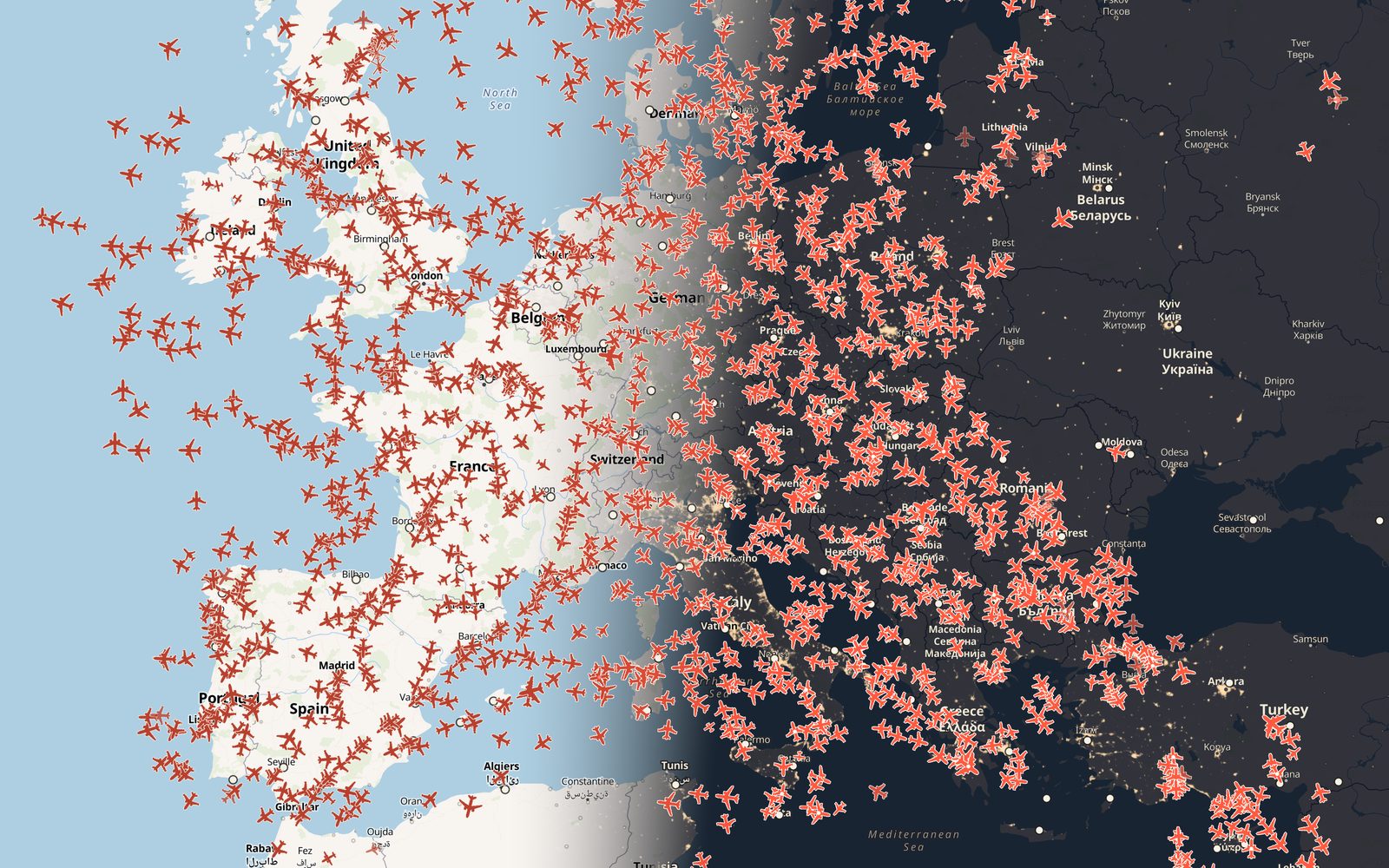
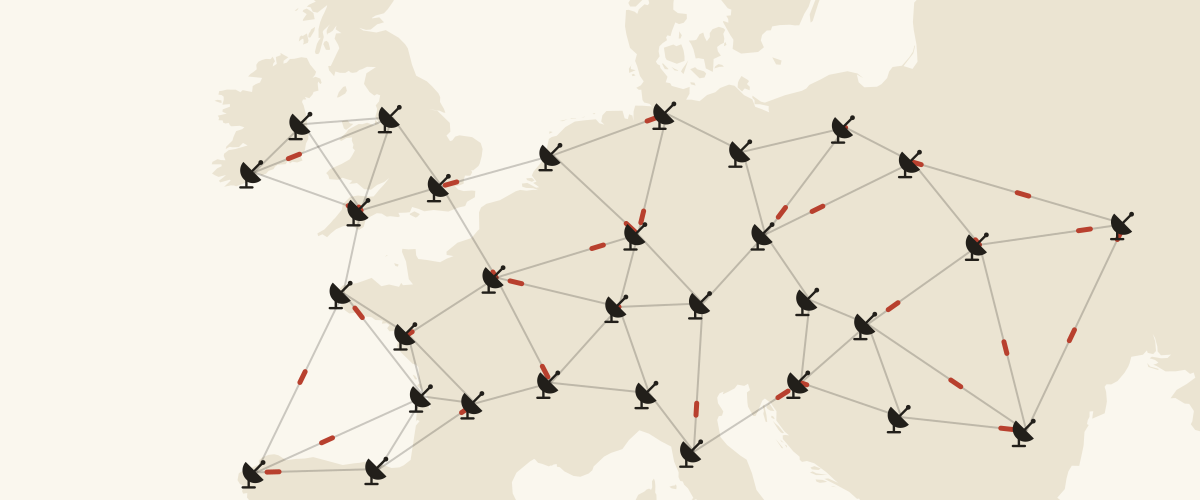
Aviation fans run small receivers on their balconies, rooftops and windowsills. Each one hears what the planes nearby broadcast about where they are and how high they fly, and shares it with the network.
Having our own data means we can check it, fix it, and build on it. But we don't want to keep it to ourselves.
Our goal is to build the best and most open flight data API there is, so anyone can make their own display, tool or experiment with it. It's free, and needs no key.
Everything behind it is open too. The network's software, its API and the live map are open source on GitHub.
Some planes never say where they are. The network can still find them: when four receivers hear the same message, the tiny differences in when it reached each of them tell us where the plane was. It's called multilateration.
It's also hard work for a computer. Every message has to be matched across receivers and solved as it arrives, and the more receivers join, the heavier that gets.
So we rewrote the standard server that does it, mlat-server, from scratch in Rust. Ours, mlatd, is open source, runs in tens of megabytes, and ADSBItalia already uses it for their own network :)
We don't just pass positions along, either. Each plane is matched to its registration, its aircraft type and its route, and positions that don't add up are thrown out.
That's what lets your frame name the airline and draw the right livery. And because the data is open, everyone who builds on it gets the same care.
It's still early days. In many places the map is empty, and the only way it grows is one antenna at a time.
If you have a view of the sky and a Raspberry Pi, add yours. Or help in other ways, on GitHub.
If you own a frame, you don't need an antenna. You'll be covered either way: making sure the sky over our frames is heard is our job, not yours.